Wild Hydrangea: The Beauty Of The Untamed
Wild Hydrangea: The Beauty of the Untamed
Hydrangeas are some of the most popular flowering shrubs in the world. They are known for their large, colorful blooms that can come in a variety of shades, from white to blue to pink. But did you know that there are also wild hydrangeas?
Wild hydrangeas are native to North America and Asia. They are typically smaller and more delicate than their cultivated counterparts, but they are no less beautiful. In fact, many people find the wildness of these plants to be even more appealing.
One of the most striking things about wild hydrangeas is their range of colors. Some species, such as the bluet hydrangea (Hydrangea arborescens), produce blooms that change color over time. The flowers start out white or pink, and then gradually turn blue as they mature. This makes them a truly unique and eye-catching sight.
Wild hydrangeas are also known for their delicate, cascading blooms. Some species, such as the mountain hydrangea (Hydrangea hirta), produce clusters of flowers that hang down from the branches like waterfalls. This makes them perfect for adding a touch of drama to any landscape.
In addition to their beauty, wild hydrangeas are also relatively easy to care for. They prefer full sun or partial shade and moist, well-drained soil. They are also relatively drought tolerant once established.
If you are looking for a beautiful and low-maintenance plant for your garden, consider adding a wild hydrangea. These untamed beauties will add a touch of wildness and charm to your landscape.
Here are some additional insights and updates about wild hydrangeas:
- Wild hydrangeas are often found in woodland areas, along streams, and in other moist, shady spots.
- They are typically pollinated by bees and butterflies.
- The flowers of some wild hydrangea species are edible.
- Wild hydrangeas can be propagated by seed, division, or cuttings.
- They are relatively resistant to pests and diseases.
Conclusion
Wild hydrangeas are a beautiful and fascinating group of plants. They are well worth considering for any garden, whether you are looking for a low-maintenance plant or a statement piece. With their delicate blooms and wide range of colors, wild hydrangeas are sure to add a touch of beauty and wildness to any landscape.
Wild hydrangea (Hydrangea arborescens) is a beautiful and versatile shrub that is native to North America. It is known for its large, flat clusters of white flowers that bloom in the summer. Wild hydrangea is a relatively easy plant to care for and can be grown in a variety of conditions. It prefers partial shade and moist, well-drained soil. Wild hydrangea is also a deer-resistant plant, making it a good choice for gardens in areas with a high deer population.
If you are interested in learning more about wild hydrangea, I recommend visiting the website . This website provides a wealth of information about the plant, including its history, cultivation, and uses. You can also find photos and illustrations of wild hydrangea, as well as tips on how to care for it in your own garden.
FAQ of wild hydrangea
Here are the 5 most frequently asked questions about wild hydrangea, along with valuable insights and solutions:
- What color are wild hydrangeas?
Wild hydrangeas are typically white, but they can also be pink, blue, or purple. The color of the flowers depends on the acidity of the soil. In alkaline soil, the flowers will be blue, while in acidic soil, they will be pink or purple.
- Where do wild hydrangeas grow?
Wild hydrangeas are native to North America, and they can be found in a variety of habitats, including forests, meadows, and along streams. They are hardy plants that can tolerate a wide range of conditions, but they prefer moist, well-drained soil.
- How do you care for wild hydrangeas?
Wild hydrangeas are relatively easy to care for. They need full sun or partial shade, and they should be watered regularly, especially during hot, dry weather. They should also be fertilized once a year in the spring.
- How do you propagate wild hydrangeas?
Wild hydrangeas can be propagated by division or by seed. To divide a wild hydrangea, carefully dig up the plant and separate the roots into several clumps. Replant the clumps in a new location. To propagate wild hydrangeas from seed, sow the seeds in the fall or early spring.
- What are the health benefits of wild hydrangeas?
The root and rhizome of wild hydrangea have been used for centuries to treat a variety of health problems, including urinary tract infections, enlarged prostate, and kidney stones. However, it is important to note that wild hydrangea can also be toxic, so it is important to consult with a doctor before using it for medicinal purposes.
Image of wild hydrangea
5 different images of wild hydrangea from Pinterest:
- White wild hydrangea: This image shows a cluster of white wild hydrangea flowers. The flowers are small and delicate, with a slightly pink tinge.

- Pink wild hydrangea: This image shows a cluster of pink wild hydrangea flowers. The flowers are slightly larger than the white flowers, and they have a more vibrant pink color.

- Blue wild hydrangea: This image shows a cluster of blue wild hydrangea flowers. The flowers are a deep blue color, and they have a slightly purplish hue.
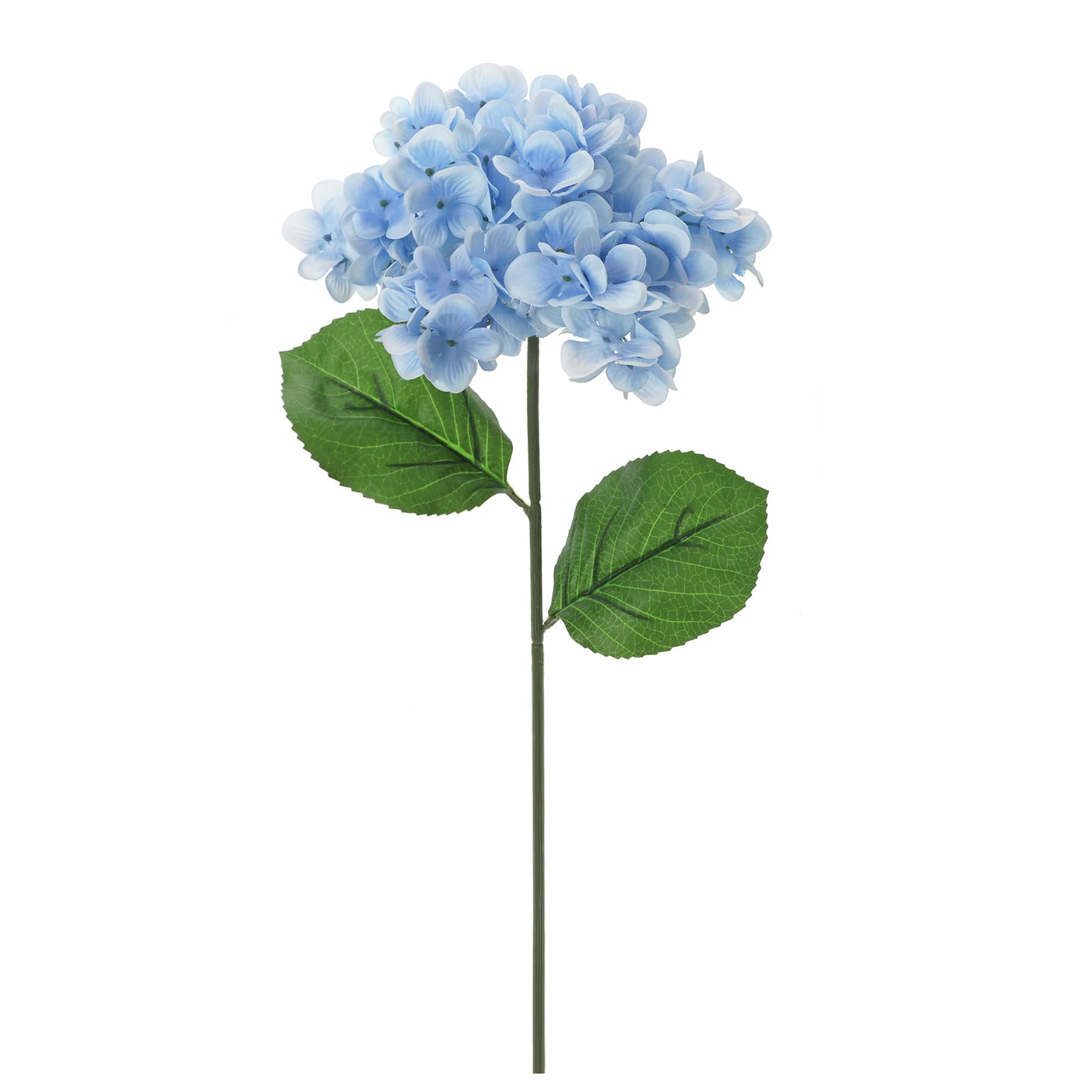
- Green wild hydrangea: This image shows a cluster of green wild hydrangea flowers. The flowers are a pale green color, and they have a slightly yellow tinge.

- Purple wild hydrangea: This image shows a cluster of purple wild hydrangea flowers. The flowers are a deep purple color, and they have a slightly blue hue.


Post a Comment for "Wild Hydrangea: The Beauty Of The Untamed"