Herb Pairings That Will Make Your Garden Thrive
Herb Pairings That Will Make Your Garden Thrive
Herbs are a great way to add flavor and fragrance to your food, but they can also do more than just taste good. When planted together, certain herbs can help each other thrive. This is called companion planting, and it's a great way to save space in your garden and get the most out of your herbs.
In this blog post, we'll discuss some of the best herb pairings. We'll also talk about how to plant and care for your herbs so that they can grow and prosper together.
Why Companion Plant Herbs?
There are a few reasons why you might want to companion plant herbs. First, it can help to improve the growth and flavor of your herbs. When herbs are planted near each other, they can release beneficial chemicals that help to protect each other from pests and diseases. They can also attract beneficial insects, such as pollinators and predators of pests.
Second, companion planting can help to save space in your garden. By planting herbs that have similar needs together, you can create more efficient use of your space. For example, you could plant a group of Mediterranean herbs together, such as rosemary, oregano, thyme, and sage. These herbs all need full sun and well-drained soil, so they would be a good fit for each other.
Finally, companion planting can be simply more aesthetically pleasing. When you plant herbs that complement each other's colors and textures, you can create a beautiful and inviting garden space.
What Herbs Can Be Companion Planted?
There are many different herbs that can be companion planted. Here are a few of our favorite pairings:
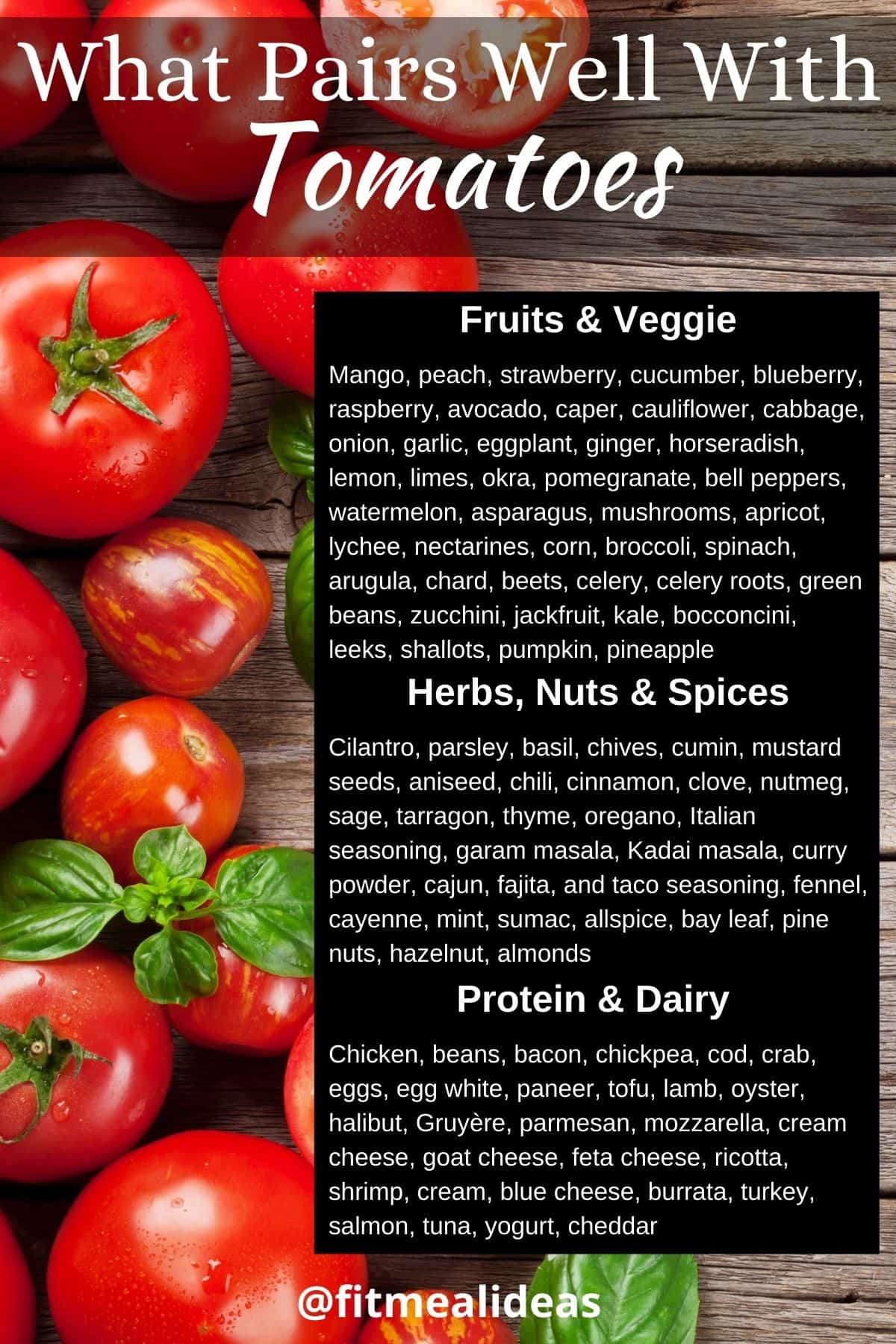
- Basil and tomatoes: Basil is a natural pest repellent, and it can help to keep tomato hornworms and other pests away from your tomatoes. It also enhances the flavor of tomatoes, so it's a win-win combination.
- Cilantro and carrots: Cilantro helps to repel carrot flies, which can damage carrot roots. It also helps to improve the flavor of carrots.

- Dill and cucumbers: Dill attracts beneficial insects, such as ladybugs and lacewings, which help to control pests in your cucumber patch. It also helps to improve the flavor of cucumbers.

- Mint and cabbage: Mint helps to repel cabbage moths, which can damage cabbage leaves. It also helps to improve the flavor of cabbage.

- Rosemary and lavender: Rosemary and lavender are both Mediterranean herbs that need full sun and well-drained soil. They also complement each other's colors and textures, making them a beautiful addition to any garden.

How to Plant and Care for Companion Herbs
When planting companion herbs, it's important to consider their individual needs. Some herbs, such as basil and cilantro, need full sun and moist soil. Others, such as rosemary and lavender, need full sun and well-drained soil.
Once you've chosen your herbs and selected the right location for them, you can start planting. When planting companion herbs, it's a good idea to space them out so that they have enough room to grow. You should also water them regularly, especially during hot, dry weather.
To help your companion herbs thrive, you can fertilize them every few weeks with a balanced fertilizer. You can also mulch around your herbs to help keep the soil moist and suppress weeds.
Conclusion
Companion planting is a great way to save space, improve the growth and flavor of your herbs, and attract beneficial insects to your garden. By planting herbs that complement each other's needs, you can create a beautiful and productive garden space.
If you're looking to grow your own herbs, it's important to know which ones grow well together. Some herbs, like mint, can be invasive if they're not planted with other herbs that can control their growth. Other herbs, like basil and tomatoes, can actually help each other grow better.
To find out more about which herbs grow well together, I recommend visiting Garden Wiki. This website has a comprehensive chart that lists all of the most popular herbs and their companion plants. The chart also includes information about the benefits of companion planting, such as increased pollination, pest control, and improved flavor.
In addition to the chart, Garden Wiki also has a blog with articles about herb gardening, as well as a forum where you can ask questions and get advice from other herb gardeners.
Whether you're a beginner or a seasoned herb gardener, Garden Wiki is a great resource for information about growing herbs. So what are you waiting for? Visit Garden Wiki today!
FAQ of herbs that grow well together chart
null
Image of herbs that grow well together chart
Image 1: This chart shows a variety of herbs that grow well together, organized by their type. The herbs are labeled with their common names, and the colors of the boxes indicate their growing conditions. For example, blue boxes indicate herbs that prefer full sun, while green boxes indicate herbs that prefer partial shade.

Image 2: This chart is similar to the first one, but it focuses on herbs that attract beneficial insects. The herbs are labeled with their common names and the insects that they attract. For example, basil attracts ladybugs, which help to control aphids.

Image 3: This chart shows a more detailed look at the companion planting relationships between different herbs. The herbs are arranged in a grid, and each cell of the grid indicates whether the two herbs listed are compatible, incompatible, or neutral. For example, basil and tomatoes are compatible, while basil and mint are incompatible.

Image 4: This chart is a visual representation of the different heights of different herbs. The herbs are arranged in a vertical column, and the height of each herb is indicated by a colored bar. For example, basil is a short herb, while rosemary is a tall herb.

Image 5: This chart is a more general guide to companion planting. It lists a variety of herbs and their companion plants, along with some of the benefits of planting them together. For example, basil can be planted with tomatoes to deter pests, and mint can be planted with carrots to improve their flavor.


Post a Comment for "Herb Pairings That Will Make Your Garden Thrive"